On being a ‘Music Maker’
Why singing together is more than just the primary school activity that required the massive tape recorder from the store
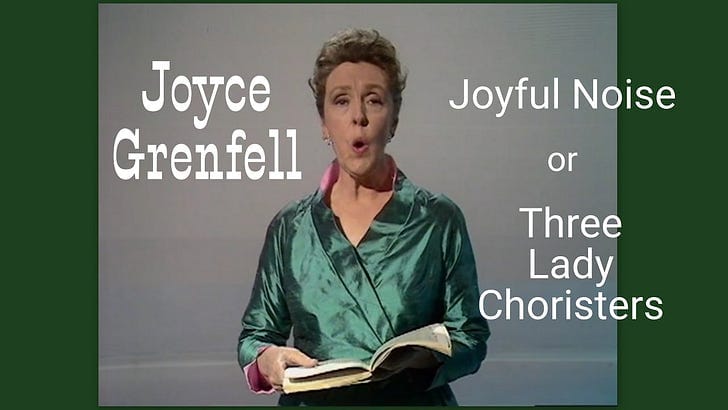
One of my mother’s many musical gifts to me was introducing me to the utterly glorious Joyce Grenfell. Part of me wishes this weren’t quite so on the nose, while another part of me wants to perform it for the choir at the next appropriate opportunity…
I’m writing this a couple of weeks after returning from Limerick Sings, that city’s international choral festival, where my choir Belfast Philharmonic were giving our final performance in our 150th anniversary season. For clarity, I have not been in the choir for all of those 150 years (though I wouldn’t like to answer for some of the tenors), but I have been a member since 2007, making it 18 years of singing in Northern Ireland’s only amateur symphonic chorus.
Thanks for reading What Happens with Music! Subscribe for free to receive new posts and support my work.
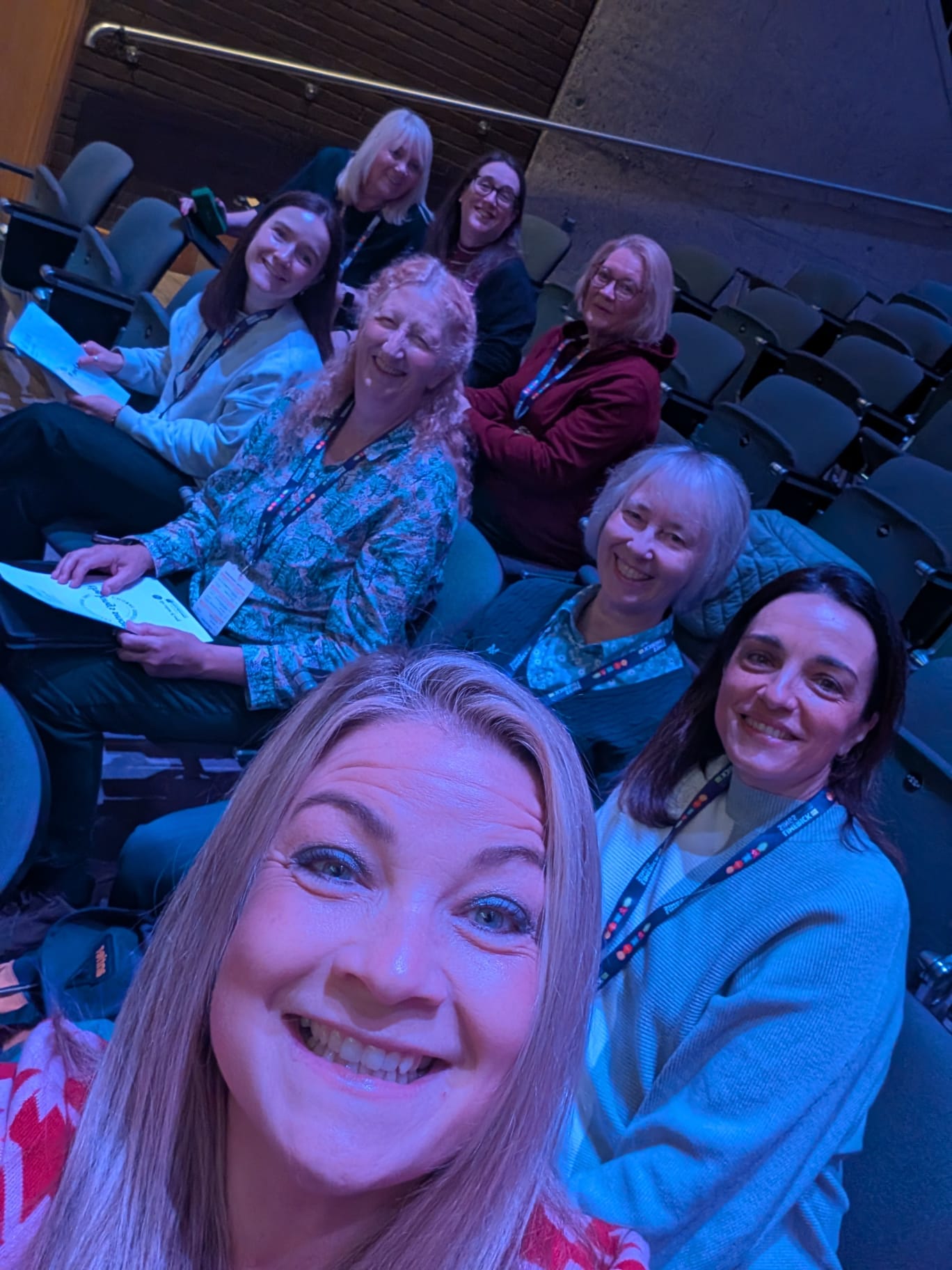
I LOVE singing with other people. The second music ensemble I ever joined was my primary school choir and I have sung in choirs ever since. As an aside, my first music ensemble was Miss Finlay’s P2 recorder group, but if you’ve read my piece about music in school, you’ll appreciate how formative that turned out to be and therefore can probably guess that joining a choir was equally seismic.
One of the things I loved about singing while I was at school was that it was the music-making I did for fun. I loved to play the clarinet and the piano, but I took those seriously and did my exams, making a really conscious effort to develop and improve. But singing? Singing was where I turned up, enjoyed it, wrote notes to my mates and giggled about fancying boys and then let rip as an alto singing everything from Handel to the Beatles and quite a lot of varied stop-offs in between. Simon and Garfunkel crept from my bedroom and record collection into school as we performed an arrangement of Bridge Over Troubled Water, while songs often went in the opposite direction and sent me to find their roots - singing The Rhythm of Life uncovered its part in the delightful Sweet Charity, bestowing on me a love of Bob Fosse’s choreography, Shirley MacLaine and of course, the peerless Sammy Davis Jr. (he’s quite simply the best of the Rat Pack and I’ll fight anyone who says otherwise). An early introduction to the choral works of John Rutter gave me an unexpected niche expertise when I worked in Our Price in Bloomfields Shopping Centre - still one of my favourite ever jobs - and I was so attached to the same copies of Carols for Choirs Books I & 2 (the green and orange ones, choral connoisseurs) that I’m almost certain I liberated them when I left school and they’re now lurking in my Mum’s loft.
When I went to university and failed to get into the university orchestra, I wasn’t overly bothered in the end because I knew there’d be choir. And what a revelation, as we sang Stravinsky’s Symphony of Psalms and provided the choir of women’s voices for the final movement of Holst’s The Planets with the university orchestra - immersing myself in the hugeness of that sound was special. So when I moved back home and realised I could join a choir that regularly sang with the Ulster Orchestra, the only professional symphony orchestra in NI, it was too good an opportunity to miss. In my time with the choir I’ve sung Elgar’s The Music Makers, Beethoven’s Ninth Symphony and Mahler’s Second; I’ve performed with Ennio Morricone and his orchestra and on the Game of Thrones live music experience; I’ve been moved by requiems by Fauré and Brahms and I’ve even sung Verdi’s Requiem in the company of an unexpected on-stage commode. I’ve learned beautiful Stabat maters by Dvořák and Poulenc and realised that yet another one of my nerdinesses is that I adore Bach. What a glorious, geeky and gloriously geeky hobby.
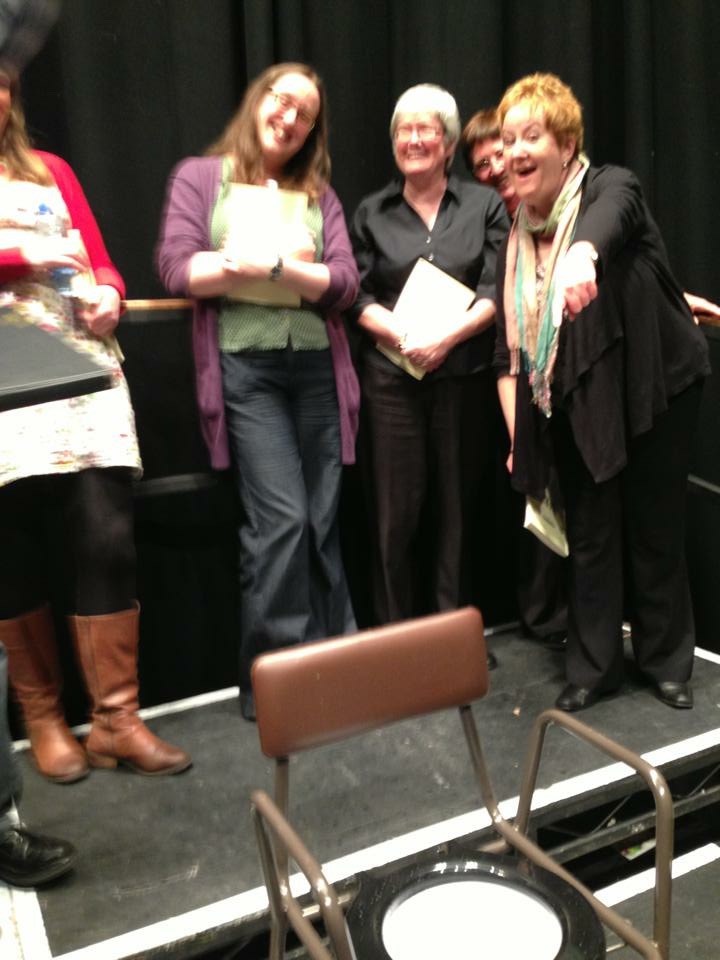
I loved, and love, the fun of it, but I also revel in the sensation of voices blending together, and clashing against one another, all for musical effect, and understanding something about the innate musicality of my own body. I may not have been doing exams in voice back then, but I knew I was still learning musically; playing any musical instrument is a physical activity, but there’s something especially physical and very empowering about realising your own body is the instrument and seeing what you can do with it. I love that sensation, of controlling my breathing and filling the sound as I understand the conductor is asking for, and hearing my sound twist and furl upwards, mingling with my fellow choir members’ voices into one astonishing unified (hopefully) whole.
In fact, that potency of voices coming together in song is possibly the thing I love most of all. Singing about a united humanity in the final movement of Beethoven’s Ninth Symphony is incredibly uplifting and genuinely does make you feel a bit of hope for the world, as you and your choir mates cling to the ever-faster speed like grim death and hope that you all stop at the same dramatic grand pause at the same time. The absolute operatic drama of Handel’s Messiah, which we sing every Christmas, never gets old for me; particularly the sense of raw grief as we sing Behold The Lamb of God and the absolute joy of the Hallelujah chorus. The latter in particular ought to feel like a dreary old cliche by now, but every year, as the audience stick to the tradition of hauling themselves to their feet for that moment, I get a bit of a lump in my throat - the story goes that King George II was so moved when he heard it for the first time, he stood up, and when the King stands, the court stands, so up everyone got. It’s highly unlikely that’s what actually happened, but every year I do have a feeling that, if we sing it at our best, it should move people in that way. It’s certainly what I try to do in that moment. And as for Bach, there’s a lovely sequence in one of my favourite books, Gaudy Night by Dorothy Sayers, that encapsulates why Bach is not just everything in music, but also everything in love and in life: “Peter, she felt sure, could hear the whole intricate pattern, every part separately and simultaneously, each independent and equal, separate but inseparable, moving over and under and through, ravishing heart and mind together.”
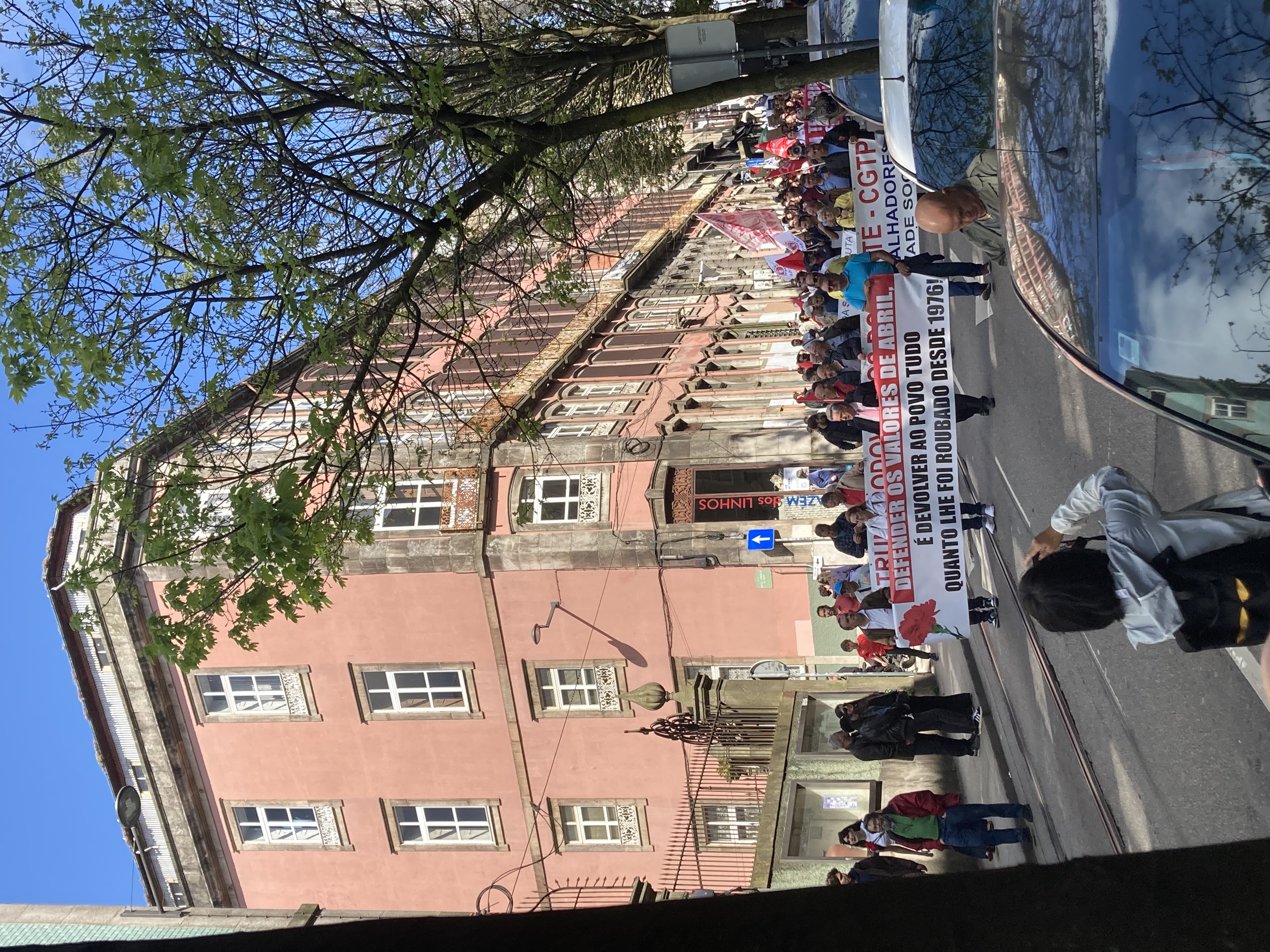
Or move outside the concert hall. In 2009, at the 20th anniversary of the Hillsborough Disaster, I remember watching the coverage as those in attendance heckled Andy Burnham as he tried to address the crowd, finishing in a rendition of You’ll Never Walk Alone that was defiant, angry and most of all, unifying - so powerful that at the cabinet meeting the next day (Gordon Brown’s Labour government were in power at the time and Andy Burnham was part of the cabinet), the first steps were taken towards the second enquiry that would finally bring in the verdict of unlawful death. And earlier this year, I happened to be in Porto on the anniversary of the Carnation Revolution and joined the crowds to watch the Freedom Day parade through the city. One of the things I found most moving was that people in the parade would start singing a song that belonged to the revolution, and it would be taken up and move down the procession as the people behind heard and joined in. Those songs of that time, which were about resistance then and still clearly give community and solidarity today, more eloquently than anything demonstrate why singing is power.
So I’m an advocate for singing with others, any time you get the opportunity. At a live gig? Get stuck in. At a wedding with hymns? Don’t mumble it, commit and make it a celebration of the people at the altar. Carol services, at the football… my God, even just join a choir; there are so many that perform songs of so many types. But sing. Your body will feel good for it physically, and mentally, you’ll get such a buzz from the community and the uplift of being the music-maker. HARD recommend.
I know, I know, this one’s late again. I’m not doing too well on the once a fortnight thing. Part of the reason was that I started trying to build a playlist of lovely choral music, before thinking that maybe that was just a bit too much. Would anyone like a Spotify playlist of Moving Music for Music Makers? I’ll commit if you would…
Thanks for reading What Happens with Music! Subscribe for free to receive new posts and support my work.